Past Coverage at the bottom of the post
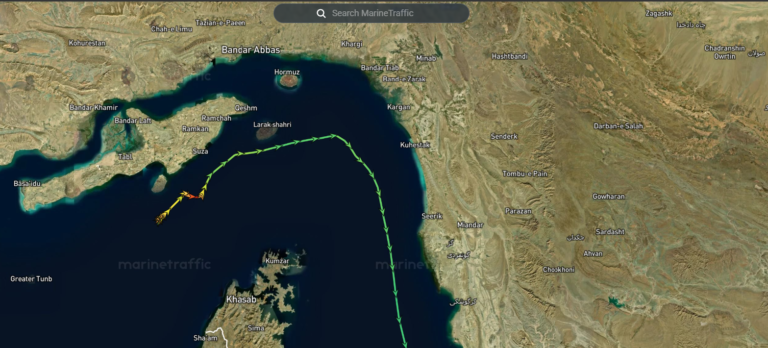
06th May 2026- MOU offered, Attacks in the Strait
- Trump announced ‘Project Freedom’ late on Sunday which meant breaking Iran’s hold on the strait.
- According to the defense secretary the Pentagon was deploying more than 100 aircrafts and 15000 personnel in the region to escort the ships
- The project helped two vessels exit Hormuz on Monday, repelling Iranian attacks, drones, and navy boats.
- As the situation became more tense and escalatory due to the attacks, Trump said the ‘Project Freedom’ is paused for a short period of time while working out on the deal. As a result of this Iran attacked UAE
- US made a new proposal (One page memorandum of understanding) post the attacks to Iran and Iran is now evaluating the proposal. Iran is expected to send their response via Pakistan the mediator within the next 48 hours.
- US will end its blockade assuming Iran agrees to what has been proposed.
- State media has signaled that the US proposal is unrealistic and it includes demands that won’t be accepted by Iran
- President Donald Trump posted on Wednesday saying “If Iran doesnt agree, the bombing starts at a much higher level and intensity than before.
- Brent crude dropped below $100 a barrel on hopes of a deal. US gasoline prices now above $4.5 a gallon for the first time since July 2022. Equity markets took off on hopes of a new deal.
Weekly Take
US submitting a new proposal to Iran is something that tells how desperate US is as well to get the strait open. Trump’s political standing is damaged and has spiked energy prices. Project Freedom a brute show of strength was paused within two days. Iran read it as a retreat. Adding to his urgency is a meeting scheduled next week with Chinese President Xi Jinping. Arriving in Beijing with the Strait of Hormuz still choked and oil markets still shaken is not the position a world leader like Trump wants to show. will notice Higher gasoline prices also pressuring Trump as midterm elections are soon. None of this means that Iran is winning. Its economy is under severe strain, currency collapsing and its people are being monthly minimum wages while food prices have doubled. The Strait remains the central fact of this crisis. Whoever controls it controls the negotiation. Right now, that is still Iran holding a one-page memo.
Trump needs this deal. Iran needs this deal. The next 48 hours will tell what happens next
Scenario One: The Deal Holds
Iran accepts the deal. Uranium enrichment frozen and pile seized. The strait opens gradually over the next 30 days. Both sides win. Iran gets sanctions relief and economy gets a breather. Trump gets to show the world he won and it looks good before the Xi meeting and elections. Oil falls over time at $80. Gasoline prices fall.
Cons:
The memo basically says stop fighting now, figure stuff out later. US wants Iran’s large ballistic missile programme dismantled or limited. Iran says it needs the programme to protect itself for defence.
Iran funds Hezbollah in Israel and militias around Iraq and Yemen. US wants that stopped. Giving this up essentially means Iran’s shrinking regional influence.
Even if Iran freezes enrichment for 10-15 years what happens after? Obama made the same nuclear deal in 2015 only for it to be pulled out by Trump in 2018. A repeat of that is possible.
Ceasefire is not peace. Eventually if the disagreements resurface, we will go back to where we started but with much less shortage of crude oil as strait will be open in the meanwhile. This gives a breather to the economy before the history repeats itself once more
Scenario Two: Iran Holds Firm
Iran considers the pause of ‘Project Freedom’ as a retreat of the US. Iran doubles down and rejects the proposal or returns a weak counteroffer. The strait remains closed. Trump faces pressure due to the gasoline prices, elections and Xi meeting. He follows up on his threat to bomb Iran with higher level and intensity. Iranian crucial infrastructure becomes a target. Iran attacks the Gulf States. Oil rises above $130.
Cons:
Iran’s population is suffering. If one searches for the same it would be apparent from the various videos that they want this to end. Currency falling, lower wages, doubled food prices. Heavy strikes on its infrastructure causes more bleeding literally and economically. If they cave in Trump wins. If they don’t similar to Ukraine, the war continues
Real Winner: China
Iran’s FM is in China. Trump is set to meet Xi next week. China is already benefitting of the prolonged war damage on the US. China imports more gulf oil than any nation on the earth. It has deep dies with both Iran and the Gulf states. China eventually either claims quiet credit for the deal or offers to be the negotiator. If the war drags on, China’s relationships in the region quietly deepen while American credibility erodes.
Whatever happens in the next 48 hours, that is the longer story worth watching.
General Take
Oil was supposed to be at 150+ already. Some analysts have even predicted forecasts of $200+. Why has it not already? Reportedly Iran holds hundreds of millions of barrels ready to supply and flood the market. This has kept the prices from rising fast. But the global inventories are draining fast. If the strait remains closed $150 is on the table really soon
Update- Both sides are now actively exchanging drafts. A one-page MOU framework is already on the table. Iran’s formal response is expected soon via Pakistan. Iran is desperate and bleeding and needs to get the strait open to stay stable. So is the rest of the world. Iran needs the strait open for its revenues and to keep it’s wells open and the world desperately needs it open now more than ever due to the massive drawdowns in inventories. So, if the proposal of Iran is rejected, the strait remains closed with blockade and Iran can survive through this, the rising oil prices and yields would leave Trump with only two options. Either bomb Iran and hurt them to get the strait open again. This means Iran reacts by striking Doha, Dubai, Manama which would likely be the catalyst for oil climbing to $150. Even above $300 is predicted in this case. Or reach a cosmetic deal for the time being ( think war being on pause for the prices to stabilize and reigniting later in short term or over the next couple of years. (Update– Note that the one-page MOU being discussed is essentially that cosmetic deal materializing in real time) Cosmetic deal seems like the most likely option but in a economy where Mr. Trump moves the markets by a single tweet, his course of action is highly unpredictable and, on most days, unacceptable. Update- Iran’s FM is currently in Beijing, and Trump meets Xi next week. China holds quiet leverage over Tehran that Washington doesn’t and how Beijing plays that hand may matter as much as anything Trump posts on Truth Social.
What it means and how it all ties back:
THE NUCLEAR DEADLOCK
- Iran will never hand over its enrichment program. No government survives that domestically
- US wants zero enrichment on Iranian soil. Iran says that’s a red line. That gap doesn’t close
- The 5 years vs 20 years debate is a distraction. The real question is whether Iran keeps the infrastructure to restart later
- Iran learned from Libya and Iraq. Give up your nuclear program get regime changed. They won’t repeat that mistake
- My read: Any deal that gets signed will be cosmetic. Trump needs a headline. Iran needs sanctions relief and neither side can give the other what they actually want so they’ll paper over it and call it historic
THE STRAIT OF HORMUZ
- The US bombed Iran’s nuclear sites and handed Tehran something far more dangerous which is a permanent excuse to weaponize the world’s most critical shipping lane
- Iran doesn’t need a bomb. It needs drones and the Strait
- A majority of Americans already oppose the war that matters for midterms and may impact what decisions trump can take
HOW I THINK THIS ENDS
- A genuine comprehensive deal is nearly impossible right now. Neither side trusts the other enough to even design it
- The most likely outcome is a cosmetic agreement vague enough for both sides to claim victory, weak enough that Iran quietly reconstitutes over the next decade
- Second most likely outcome is a frozen conflict. Ceasefire holds loosely, no formal resolution, war becomes permanent background noise. Or strait resumes with passage fees being shared between Iran and the US for now
- China as formal peace broker is the most underrated scenario. They have direct economic incentive and they have Tehran’s ear
WHAT I THINK MARKETS ARE MISSING
- Equities will keep facing pressure from time to time. There’s no real catalyst for a sustained rally while oil sits above $100 and the ceasefire remains fragile
- The AI trade is real. It’s the one secular growth story that markets are treating as a blessing from macro chaos, but it has limits if the consumer is getting crushed at the pump every week
- The dollar stays strong as long as the Fed holds.
- Gold stays elevated and I think it stays that way for longer than most expect. You have geopolitical risk premium and a “higher for longer” rate environment both pointing the same direction
- Oil likely stays in the $85-110. Too much geopolitical uncertainty to collapse, too much demand destruction risk to spike and hold
Coverage Archive (Historical content)
Click to expand earlier archived coverage
Weekend Update
Iran’s suggestions include setting one month deadline on talks regarding the opening of the strait
- Iran wants to make a deal said Trump but he’s not satisfied with it on Friday
- Iran’s suggestions include setting one month deadline on talks regarding the opening of the strait and ending the US blockade and the fight against Lebanon
- Once the pact is reached, another month of discussions would begin on the Iran;s nuclear program
- On Sunday, Iran said it received reply from the US but no details are yet available
- Trump further said on a human basis we would rather not “blast the hell out of them and fiish them forever” and try to work on deal instead
- Iran’s parliament set to approve a law on which vessels will be allowed to pass through the strait.
- Oil prices eased on Friday after previous the week touching all highs. Brent crude settled at $108 while WTI settled at $102 after reports that Tehran has proposed a new proposal to US
- Solid corporate earnings led stocks to fifth consecutive highs
- Iran has activated air defenses now around it’s capital on thursday
- US is looking for allies to form a joint naval force to secure the Strait.
30/04- Strong Economy data
US growth accelerating by massive AI investments
- US Stocks on their way to their best month as US growth accelerated at the start of the year mainly by massive AI driven investments
- Treasuries now rebounding and Brent down to $114 after reaching $125 earlier
- Inflation adjusted GDP increased an annualized 2% in first quarter
- Iran’s leader gave a statement on Thursday saying it will not give up the country’s nuclear or missile technologies. Further he said “Iran will secure and dismantle the hostile enemy’s exploitation of the waterway”
- US Military is set to brief Trump on options. Centcom (which controls American military in Middle East) has prepared a short wave of attacks to break the deadlock
- US Military now considering the use of hypersonic missiles against Iran
- Mag Seven’s earnings will impact how equities react for the next couple of weeks
28/04- Trump skeptical of Iran deal
Proposal to reopen the strait was met with skepticism
- Asian markets ended red for the day. Crude now at $111 a barrel (June contracts) due to supply flow disruptions after the proposal to reopen the strait was met with skepticism by Donald Trump
- Trump has threatened to resume bombing Iran if negotiations are fruitless, though there is a growing sentiment that Trump aims to avoid restarting the bombing
- OpenAI missed targets and thus is adding on to the bleeding US markets
- Gas prices in the US now have reached another wartime high.
27/04- Asian Markets Rise on hopes of new deal:
Iran offers new deal, Markets Gain
- Asian stocks advance on news that Iran has given US a new proposal to open the strait and postpone nuclear negotiations
- Crude now above $100 depicting a whole other side of the story
- It’s unclear whether the US wants to explore the proposal
- US futures and Europe futures however stay flat as of now as markets are not sure if it’s a positive news yet considering trump had declined the deal offered on the weekend and visit to Islamabad failed
- US wants to close the nuclear program of Iran and probably won’t agree to the deal of opening strait and postponing nuclear negotiations. Trump’s reply to press is something to keep a watch on
25th and 26th Apr: Meeting in Islamabad Cancelled
A deal offered by Iran to the US. Meeting in Islamabad was cancelled. Blockade continues.
- U.S. equities closed higher on Friday on hopes of a U.S.-Iran deal with talks expected over the weekend in Pakistan
- Those expectations appear to have faded after Saturday efforts showed little visible progress
- Iranian Foreign Minister Abbas Araghchi visited Islamabad and met Pakistani leadership but left before the U.S. delegation was due to depart
- President Trump said he cancelled the U.S. representatives trip calling it too much travel and unnecessary work.
- Trump also claimed Iran sent a significantly improved proposal shortly after, involving no nuclear weapons and broader concessions, though no formal confirmation has emerged.
- Tehran continues to insist that the U.S. blockade of the Strait of Hormuz must end before meaningful talks resume.
- Around 37 vessels have reportedly been redirected or stopped due to the blockade and shipping restrictions.
- U.S. energy exports have hit record levels, helping offset some supply pressure and strengthening Washington’s leverage.
- Israel-Lebanon tensions remain active after renewed strike orders against Hezbollah targets despite the earlier ceasefire extension narrative.
- Reports of an attempted attack targeting President Trump introduced an additional political risk layer raising questions around leadership security and potential market sensitivity if confirmed.
23/04 (Morning)- Brent above $100
Markets turned lower as Brent topped $106 and Strait tensions intensified
- US equity was green overnight, Asian markets followed tracking US stocks overnight but are now falling reversing the earlier gains for the day. US equity futures fell as well post Brent rising as much as 4.2% above $106 a barrel
- Tensions remain high as US and Iran have both blocked the waterway during an extended ceasefire. Tehran said it had no interest in negotiations for now. Iran’s gunboats fired on commercial ships on strait on Wednesday.
- Clearing mines deployed in the strait could take up to six months said Washington post citing a military assessment shared at Classified committee hearing
- Increasing risk of war worsening by attacks
22/04 (Morning) – No negotiations/ Ceasefire extended
Markets stayed mixed as failed Pakistan talks were offset by a ceasefire extension, while metals rose and investors remained uncertain.
- VP JD Vance was supposed to travel to Pakistan on Tuesday but Iran refused to attend as expected due to unreasonable US demands
- Stocks and markets dipped lower as no negotiations were conducted in Pakistan and over Kevin Warsh’s new statement over Fed.
- US Stock futures however closed up higher up on the day as President Donald Trump said he would extend the ceasefire with Iran but the blockade stays. Asian markets remain flat with MSCI Asia Pacific Index slipping 0.6% as investors are confused about how long the conflict may continue
- Gold and silver gained 0.6% and 1.3% respectively. WTI fell 0.3% to $89.36 a barrel. Dollar has dipped.
What this means
- Equity markets may continue to rise/ stay flat due to extension of ceasefire as global markets usually seem to be a bit disconnected from geopolitical reality as indicated by the US Stock futures. Exercise caution however as US markets were negative during the trading hours as well as Asian markets
- However the cracks in the negotiations between two countries with neither willing to budge will mean extreme volatility and markets swinging its momentum at every statement made and every development.
- Oil still remains a prospective investment until negotiations are made which seem to unlikely at the moment due to US demand to handover the nuclear dust and Iran’s refusal to do so. It’s a matter of who backs out first in this war over draining resources over time.
- Semiconductor industry keeps rising due to AI boom
- Airlines have started to feel the pressure.
21/04- Markets hoping for a deal
Markets rose on renewed Pakistan talks hopes as oil eased, though the blockade and uranium dispute kept risks elevated.
- Ceasefire to expire on Wednesday evening Washington time. Trump said he likely won’t extend ceasefire and intends to close the deal with Iran saying we have all the time in the world and don’t need to rush into a bad deal
- Blockade continues, Iran continues to keep the strait closed
- Earlier Tehran hesitated to talk with US, but as per latest news Iran is also sending a team to Pakistan. VP JD Vance with team is going to Pakistan to continue negotiations either Tuesday night or Wednesday morning.
- The negotiations signal two sides are continuing to work on a deal to end the war.
- Trump has demanded Iran to handover the stock of enriched uranium. Tehran however has declined. This is a key matter for the negotiations to be held.
- A brief rise in oil prices, increase in treasuries and dollar was seen on monday, before cooling down a bit on tuesday as Asian markets start. Brent now at $91.88 down 0.6% over hopeful negotiations in pakistan. WTI fell 1.4% now trading at $88.40 a barrel
- Asian markets are up as of today. Global stock rally continues until further development over the negotiations or any unsual activity in the strait.
Hormuz and Lebanon Chaos (Weekend 18 & 19th April)-
Hormuz tensions sharply escalated as shipping disruptions returned and fragile nuclear talks faced renewed setbacks.
- Iran has reimposed restrictions on vessel passage through the Strait of Hormuz, stating that any approach toward the strait could be treated as cooperation with an “enemy,” following the continuation of the U.S. naval blockade. This signals a clear shift back toward confrontation after the brief reopening narrative.
- The U.S. military is reportedly preparing to board Iran-linked oil tankers and potentially seize commercial vessels as part of efforts to pressure Iran into reopening the waterway.
- Reports from the strait indicate gunfire, with at least nine tankers making U-turns on Saturday, while around twelve commercial ships were able to pass earlier in the day.Iran’s foreign ministry has rejected the transfer of uranium stockpiles, calling them “sacred to Iran’s soil” directly contradicting earlier U.S. statements. This is what the negotiations were based on.
- President Trump had earlier stated that the U.S. would recover Iran’s uranium stockpiles, but Iran’s response suggests negotiations may be stalling or breaking down.
- The U.S. has also signaled that the ceasefire may not be extended, with Trump warning that military action could resume if conditions are not met (threats of bombing and continuing the blockade)
- A proposal involving the release of ~$20 billion in frozen Iranian funds in exchange for enriched uranium has reportedly been discussed, but Trump has publicly rejected the idea.
- At the same time, signs are emerging that the Lebanon ceasefire may not hold, adding another layer of instability to the situation.
- President Trump said his envoy Steve Witkoff is travelling to Pakistan for talks with Iran on Tuesday and the talks may last till Wednesday
What This Means
- The situation has shifted back from de-escalation to conditional conflict within a very short time frame.
- Safe passage through Hormuz remains inconsistent and shipping behavior reflects that uncertainty.
- Negotiations appear fragile, with key disagreements particularly around uranium still unresolved.
What to Watch before Monday
- Whether shipping disruptions intensify or stabilize
- Any confirmation or breakdown in nuclear-related negotiation
- Whether the ceasefire holds or collapses
- Talks with Iran on tuesday will decide where the war stands at
Iran opens Hormuz Strait, Talks Progressing (Friday 17 Apr)-
Markets rallied and oil plunged after Hormuz reopening claims, though traders remained cautious awaiting confirmation of a full deal.
- Iran announced that the Strait of Hormuz is now completely open for traffic (civilian ships only) via a post from Foreign Minister Abbas Araghchi.
- It was followed by statement from President Donald Trump saying it was open and ready for full passage.
- Talks likely to take place in Islamabad on Sunday
- Blockade stays in full effect until the transaction is done says President Donald Trump
- Confidence will return if safe passage is maintained without incident over the coming days.
- Passage is possible only with coordination with the IRGC navy
- Iran has agreed to never close the Hormuz strait again. Hormuz will no longer be used as a weapon said Trump. This is not confirmed by Iran.
- Brent crude the global oil benchmark is now trading around $89 a barrel. WTI crude fell 12% to about $81.30 a barrel the most since Apr 8,2026.
- S&P index up by 1.3%. Energy stocks are fallling, erasing their gains from war with Iran.
- Trump said Iran has agreed to suspend its nuclear program not for years but indefinitely. Iran is yet to confirm this on media
- President Donald Trump said Iran is removing the mines from strait of Hormuz with the help of USA.
- Yields fell seven basis point due to the optimism in the middle east peace deal.
- Some on the wall street has suggested investors to exercise caution and wait for a full deal and other details to emerge.
- Geopolitical events may lead to central bank gold buying raising gold prices, as they shift away from the US dollar
- Most of the ship owners that spoke to the press anonymously, said that Iran’s statement lacked detail and they’ll wait to see how it works out and if the route is really safe and fully open.
- Iran made no comment over the payment of toll today.
Latest Developments (Thursday- 16/04/2026)–
Markets priced optimism on a U.S.-Iran deal, but elevated oil, rising yields, and military pressure signaled unresolved risks.
- Investors are increasingly positioning for a potential US Iran agreement, but there is still no clarity on timing and expectations remain split.
- U.S. equities and most global markets briefly continue to trade near record highs which suggests markets are still pricing AI and earnings strength rather than supply disruption, while IMF is revising it’s growth outlook to the downside
- Brent crude (Global Oil Indicator) has moved back toward the $100 per barrel mark rising roughly 4–5%, while WTI (US oil indicator) remains elevated around $93–94. Dated brent is being traded at $116 a barrel.
Oil hasn’t followed equities into comfort. - The 10-year U.S. Treasury yield has risen to approximately 4.31%, a three-basis point move indicating a modest but noticeable increase in risk premium.
- Former Treasury Secretary Henry Paulson warned about vulnerabilities in the $31 trillion U.S. debt market pointing toward potential stress in bond markets indicating a possible bond market meltdown.
- Treasury Secretary Scott Bessent said the war could end in “three days or three months,” while also stating that it will end.
- President Trump announced a 10-day ceasefire between Israel and Lebanon, but neither side has confirmed it, and there was no mention of Hezbollah. This makes it really hard to treat is a real deescalation.
- President Trump said that he expects not to extend the two-week ceasefire that ends on Tuesday to make a deal with Iran (possibly over the weekend). He said he expects a deal soon and a good one saying that Iran will provide free oil to the US and agree to his demands. They are considering two weeks extension though said a person familiar with the matter.
- Meanwhile, European and Gulf leaders are pointing to timelines closer to six months. This is a mismatch in expectations.
- Reports suggest the U.S. is pushing for a long-term suspension of Iran’s nuclear program (20 years), while Iran is offering a shorter timeline (5 years). No formal agreement has been confirmed.
- Claims that Iran may hand over uranium stockpiles (441 kgs of uranium as per data from June’2025) remain unverified with Tehran not publicly confirming these concessions. That gap between claims and confirmation is where credibility is being questioned.
- At the same time, the U.S. is increasing troop presence in the region to pressure Iran. This isn’t de-escalation. It’s negotiation under pressure.
Energy & Supply Developments
Oil and shipping markets showed severe delivery stress, with tight physical supply and soaring fuel costs pressuring airlines.
- Oil prices remain more than 30–35% higher than pre-conflict levels, with dated Brent trading (physical oil) around $116, way above futures (June paper market) at around $100. That already tells you the system hasn’t normalized.
Reports of physical oil being bought at $200 a barrel are making it to the news. 100% premium is being paid in Asian markets to get physical delivery of the oil in immediate short term - The gap between physical prices and futures remains wide.
Physical is tight today. Futures are betting it won’t stay that way by June. - This isn’t a supply collapse. It’s a delivery problem.
- Shipping continues to reflect that stress:
- At least 14 vessels have turned away in recent days
- Routes are being avoided rather than the alternative of going through the US Naval blockade
- The U.S. naval presence and blockade dynamics are increasingly shaping flows, with Iran viewing prolonged restrictions as a potential breach of ceasefire conditions. Which means even partial reopening doesn’t guarantee normal flows.
- Buyers are shifting toward U.S. crude as a replacement for Middle Eastern supply. That shift is happening faster than expected.
- Mars crude is now trading more than $15 above WTI.
Replacement barrels exist just not cheaply. - Jet fuel prices have surged sharply, particularly in Asia where increases of roughly 70–80% have been observed.
- Airlines are already adjusting:
- cutting routes
- raising fees
- reducing capacity
- European carriers are now requesting approval to use Jet A fuel imports. Europe supposedly is facing severe shortage of jet fuel.
If you had to pick one market that’s telling the truth right now – it’s oil.
Broader Economic Signals
Global growth was downgraded as supply shocks, food risks, and slow energy recovery signaled lasting economic strain.
- The IMF has downgraded global growth to approximately 2.5%, down from around 3.3% prior to the conflict.
That’s not a minor revision. This has big impact for the future - The World Bank has indicated that even under stable conditions, recovery will take time due to supply disruptions stating recovery isn’t just about stopping the shock it’s about rebuilding flows
- Fertilizer exports are being restricted by major producers such as China and the U.S.
That doesn’t show up immediately but it tends to show up later, through food prices - Governments, including the UK, are already preparing for potential food shortages.
- LNG infrastructure remains a longer-term issue, with some facilities expected to take up to two years to recover.
Which means even a resolution doesn’t immediately normalize supply. - This isn’t just an energy story anymore.
It’s starting to move through the system.